The Hidden Markdown Rhythm Behind Warehouse Club Rotations That Lets You Time Bulk Purchases to the Lowest Shelf Price
Jennifer Walsh
10/20/2026
6 min read
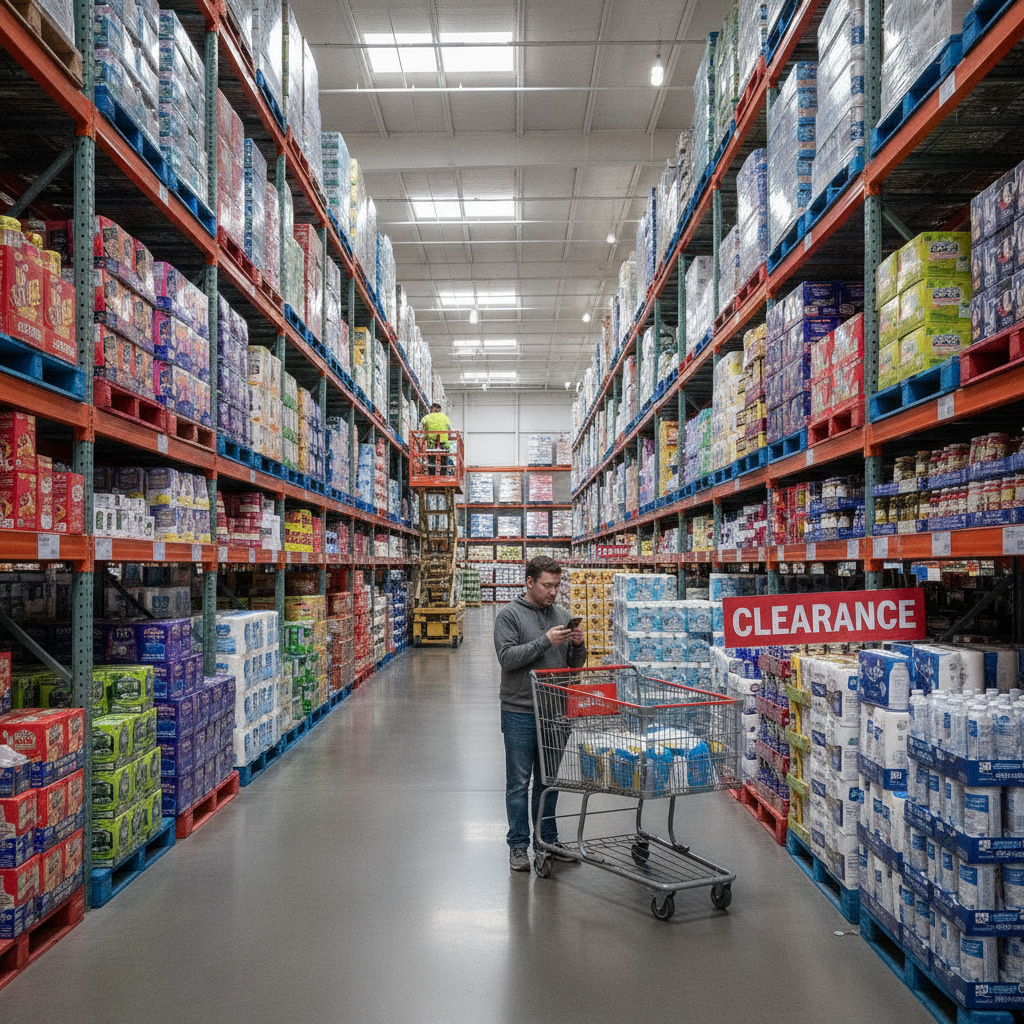
Warehouse clubs operate on a rhythm most shoppers never notice — a quiet, predictable cycle of markdowns, rotations, and limited-time inventory that rewards the patient and punishes the impulsive. If you've ever grabbed a bulk item on one visit only to find it steeply discounted a few weeks later, you've already felt the sting of that timing gap. The good news is that the system behind those price shifts is learnable, and once you understand it, your entire approach to bulk shopping changes.
How Warehouse Clubs Actually Cycle Their Inventory
Retailers like Costco and Sam's Club don't price items randomly. Their inventory follows a structured rotation built around seasonal demand, supplier agreements, and warehouse space constraints. Most items cycle through a predictable arc: full price at introduction, a modest discount after several weeks, and a final clearance markdown — often marked with a specific shelf tag symbol — before the product disappears entirely. Costco's asterisk (*) in the upper right corner of a price tag is perhaps the most well-known signal among deal-aware shoppers. That symbol indicates the item won't be reordered, which means the current price is as low as it will go before the shelf goes bare.
Reading the Price Tag as a Timing Signal
Beyond the asterisk, warehouse clubs use subtle visual codes to communicate markdown stages. A price ending in .97 at Costco typically signals a manager markdown — a reduction taken in-store rather than from a supplier promotion. Sam's Club uses similar internal conventions. Learning to read these codes turns a routine warehouse run into a strategic exercise. You're no longer just shopping; you're interpreting a live pricing timeline that tells you whether to buy now or hold off for a better moment.
The Seasonal Rotation Patterns Worth Tracking
Warehouse clubs operate on a loose quarterly rhythm tied to major consumer seasons: back-to-school, holiday, spring refresh, and summer entertaining. Bulk household staples — paper goods, cleaning supplies, pantry staples — tend to see their lowest prices in the weeks immediately following peak seasonal demand, when warehouses need to clear floor space for incoming inventory. Apparel, outdoor furniture, and seasonal equipment often hit their markdown floor in the final weeks of their relevant season, not the beginning. Buying patio furniture in late August rather than May, for example, can mean a substantially lower price on identical merchandise.
When New Items Signal Old Ones Are About to Drop
One of the most reliable signals that a product is approaching its lowest price is the arrival of its replacement or seasonal successor on nearby shelves. When a warehouse club begins stocking the newer version of a blender model or introduces the updated configuration of a storage system, the existing stock typically enters its final markdown phase within one to three weeks. If you've been waiting on a particular item, the appearance of something newer nearby is often your cue to act.
Using Apps to Track Price History Before You Buy
You don't have to track these patterns entirely from memory. Tools like CostcoInsider and apps built around community-sourced price data make it easier to monitor when specific SKUs have dropped in the past and estimate when they might again. The Flipp app aggregates warehouse club weekly promotions and lets you compare current prices against recent lows without setting foot in a store. For general bulk categories, Basket is worth using to benchmark whether a warehouse club price actually represents a savings over grocery store unit pricing — because not every bulk item is the cheapest option just because it comes in a larger quantity.
Building a Simple Personal Price Log
The most consistent warehouse club shoppers keep a running note — even just a simple list on their phone — of the prices they see on items they buy regularly. After two or three purchase cycles, patterns emerge. You'll notice that a specific brand of olive oil tends to drop in price around the same time each year, or that a particular cleaning product gets a markdown every time the warehouse resets its home goods section. That personal price log becomes more useful over time than any app, because it reflects the specific rotation schedule of your local store.
Timing Bulk Purchases Around Club-Specific Events
Warehouse clubs run member-specific promotions on a schedule that's more predictable than it might appear. Costco's coupon book cycles — distributed monthly to members — follow a consistent calendar, and many of the categories on promotion rotate in a familiar pattern. Planning major bulk purchases around these coupon windows, rather than buying at full price and hoping for a later discount, can meaningfully lower your annual spend on household staples. Sam's Club runs similar member savings events, and Instacart now surfaces some warehouse club promotions in its interface, making it easier to cross-reference sale timing with your regular shopping cadence.
Stacking Rotations With Seasonal Demand Shifts
The most effective timing strategy combines two overlapping windows: the warehouse club's internal markdown cycle and the broader seasonal shift in consumer demand. When both align — say, a cleaning supply bundle hitting its .97 markdown price just as post-holiday stock clears — you're looking at the floor price for that item. Buying then, in reasonable bulk, means you're covered for months at the lowest possible cost. Chasing the same item at the height of spring cleaning season means paying full introductory pricing all over again.
Why Patience at the Warehouse Is Actually a Spending Strategy
It takes a certain discipline to walk past an item you need when you know it might be cheaper in three weeks. But warehouse club shopping rewards that patience more reliably than almost any other retail format. The markdown rhythm is consistent, the signals are readable once you know them, and the savings on bulk quantities are meaningful enough to justify the wait. You're not hoping for a lucky break — you're working with a system that already exists, just choosing to use it deliberately.
Once you start seeing warehouse club pricing as a cycle rather than a static shelf tag, every visit becomes more intentional. You notice the asterisks, the .97 endings, the seasonal resets, and the arrival of new stock signaling old stock's final days. Pair that awareness with tools like Flipp, CostcoInsider, or Basket to cross-check what you're seeing in person, and you've built a genuinely effective bulk buying strategy — one that doesn't require coupons, loyalty point games, or perfect timing luck. Start your next warehouse run with fresh eyes, and the rhythm will reveal itself almost immediately.