How to Use Unit Pricing to Outsmart Supermarket Shelf Layouts and Always Buy the Better Deal
Jennifer Walsh
07/22/2026
5 min read
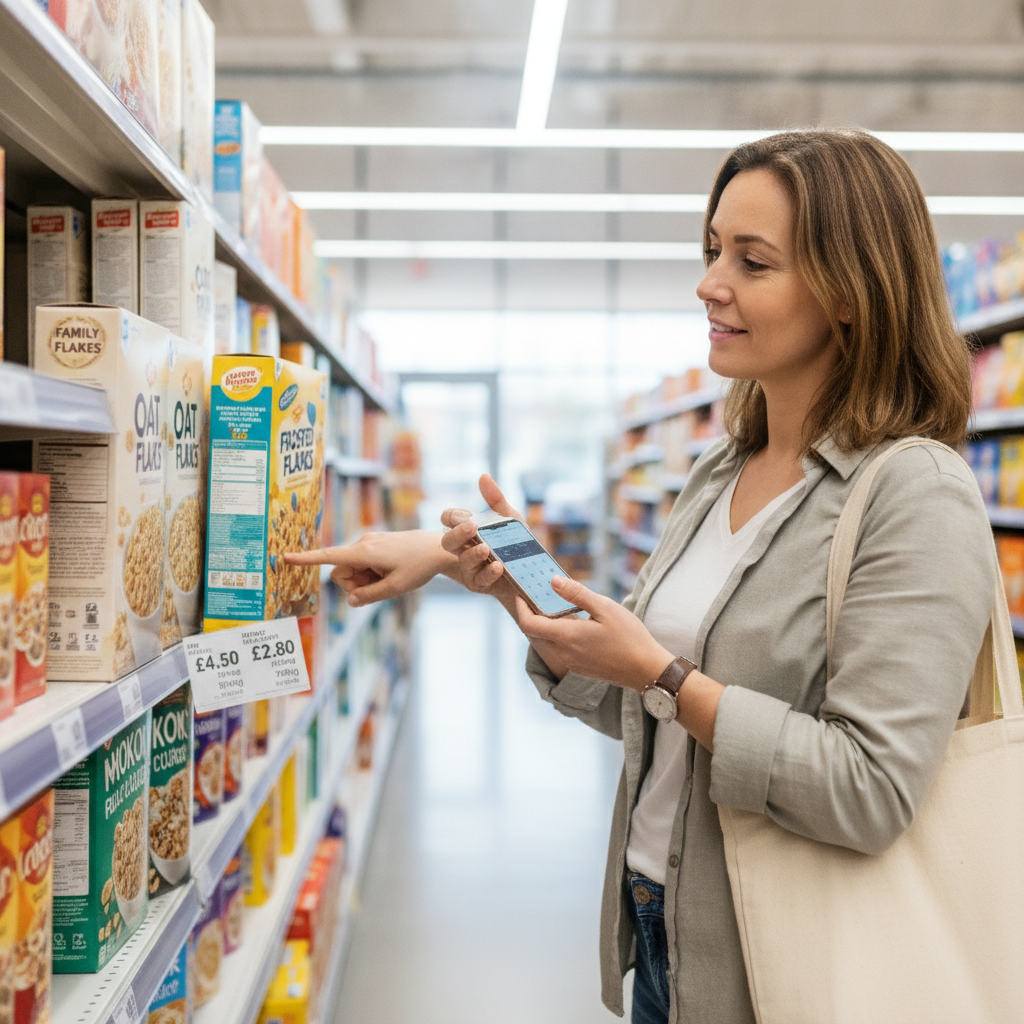
Supermarkets are designed with one goal in mind: getting you to spend more than you planned. The shelf layouts, the eye-level product placement, the bulk-buy displays that look like bargains — all of it is carefully engineered to make quick, instinctive decisions feel like smart ones. Unit pricing cuts straight through that noise. Once you know how to read and use it, you'll never get fooled by a flashy "value size" label again.
Understand What Unit Price Actually Measures
Unit pricing breaks the cost of any product down to a standard measure — price per ounce, per 100ml, per sheet, per count — so you can compare products on equal footing. That number, usually printed in small type on the shelf tag below the product, is the real price. The big number on the packaging is just marketing. Once you start reading unit prices instead of sticker prices, everything changes. Two bottles of olive oil priced at $8 and $11 might actually flip when you look at the cost per fluid ounce.
Find the Unit Price Tag on Every Shelf
Most major grocery chains — Kroger, Whole Foods, Trader Joe's — are required by law to display unit pricing on shelf tags, though formatting varies by store. The unit price is typically printed in smaller font in the upper-left corner of the label, below the retail price. Some stores use a different color or shading. Spend a minute on your next trip just scanning labels until spotting the unit price becomes second nature. It takes maybe one shopping trip to train your eye, and after that, you'll read shelves completely differently.
Don't Assume Bigger Is Always Cheaper Per Unit
The "bigger is better" assumption is one of the most persistent shopping myths, and retailers know it. Bulk sizes are often positioned as the obvious value play, but that's not always true. Store brands in medium sizes frequently beat warehouse-style packaging on a per-unit basis. Cleaning products, cereal, and shampoo are especially prone to this mismatch. Always check the unit price of the jumbo size against the standard and the store brand before tossing the big one in the cart.
Compare Store Brands Using Unit Price as Your Baseline
Store brands like Kirkland Signature at Costco or Great Value at Walmart are built around competitive unit pricing, and they often deliver genuinely comparable quality to name brands. Using unit price as your comparison baseline — rather than eyeballing the package or guessing from brand familiarity — gives you an objective way to evaluate whether paying more for a label actually makes financial sense. For pantry staples like flour, canned tomatoes, and dried pasta, store brands almost always win the unit price comparison without any real sacrifice in quality.
Watch for Pricing Tricks on Multipack Promotions
Those "3 for $5" or "Buy 2, Get 1" signs are designed to feel urgent and generous at the same time. But the math doesn't always hold up. Calculate the unit price of the promoted items and compare them against the regular single-item price before assuming you're getting a deal. Retailers sometimes inflate the per-unit price on promotional bundles just enough that the deal looks better than it is. A simple calculation on your phone takes ten seconds and can save you from stocking up on something that wasn't actually discounted at all.
Use a Calculator App to Settle Close Calls Instantly
When two items are genuinely close in unit price, trust the math over your gut. A basic phone calculator is all you need — divide the total price by the number of ounces, sheets, or units on the package. Apps like Flipp or the built-in calculator on any smartphone make this effortless. You don't need to be a numbers person to do this well. The goal is just to remove guesswork from a decision that only takes a few seconds to make correctly. Over a full shopping trip, those small decisions add up fast.
Adjust Your Strategy for Perishables
Unit pricing logic applies differently to fresh produce, deli items, and anything with a short shelf life. Buying the larger unit-price-efficient package of strawberries only makes sense if you'll actually use them before they go bad. Wasted food erases any savings you captured at the shelf. For perishables, the better deal is the size your household will genuinely finish, even if the per-unit cost is slightly higher. Unit pricing is a tool, not a rule — context matters, especially in the produce aisle.
Build a Mental Price Book for Your Staples
Over time, regular shoppers develop a rough mental benchmark for what staples should cost per unit. Knowing that a fair price for pasta is roughly a certain amount per ounce, or that your preferred laundry detergent hits its best per-load price during specific sale cycles, turns you into a genuinely efficient shopper. Price-tracking tools and apps can help accelerate this, but even casual attention to unit prices across a few shopping trips builds a surprisingly reliable internal database. That knowledge compounds — the longer you pay attention, the faster you spot a real deal.
Unit pricing is one of those skills that feels almost unfairly useful once you have it. The information is already there on every shelf, waiting to be read. You don't need special access, a membership, or a coupon stack — just the habit of looking at the right number. Start on your next grocery run, pick one category, and compare unit prices across three products. That's it. One category, one trip, and you'll already be shopping smarter than most people in the store.