How to Use a Retailer's Unadvertised Rain Check Policy to Lock In Sale Prices After Items Sell Out
Sarah Mitchell
10/05/2026
5 min read
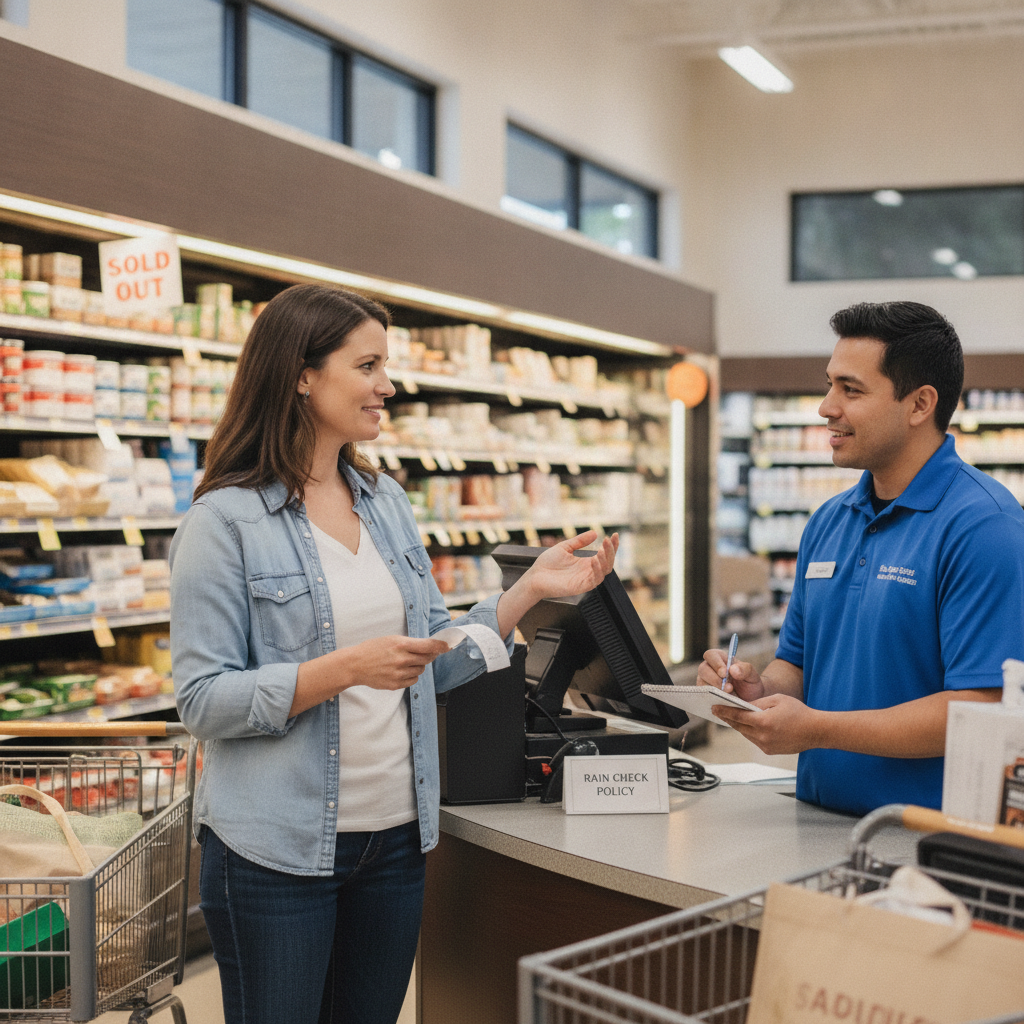
Few shopping frustrations compare to showing up for a sale, only to find the shelf completely empty. The item you planned to buy is gone, the sale ends in two days, and the regular price feels like a bad joke. What most shoppers don't realize is that a quiet but powerful option often exists right at the customer service desk — one that lets you claim the sale price even after the product is back in stock.
Rain checks are one of retail's most underused tools, and most stores don't go out of their way to advertise them. Understanding how they work, where to ask, and how to use them effectively can turn a disappointing trip into a genuinely smart purchase.
Ask at the Service Desk Before You Leave the Store
The biggest mistake shoppers make is walking out empty-handed without asking. Rain checks are rarely posted on signs or mentioned by floor staff, but they're standard practice at retailers like Target, Kroger, and many regional grocery chains. When an advertised sale item sells out before the promotion ends, you're generally entitled to request a rain check that locks in the sale price for a future purchase. All it takes is a quick stop at the customer service counter and a polite ask. The worst they can say is no, and that's uncommon at stores with established policies.
Understand the Time Limits Attached to Each Rain Check
Rain checks don't last forever, and the window varies by retailer. Some stores give you 30 days to redeem, while others extend to 60 or even 90 days. Grocery chains like Publix tend to be generous with redemption windows, while smaller regional retailers may be stricter. When you receive your rain check, read the fine print carefully — note the expiration date, any quantity limits, and whether the discount applies to a specific size or variety of the product. Setting a phone reminder the week before it expires ensures you don't forget and lose the savings you already earned.
Know Which Store Formats Are Most Rain Check Friendly
Not every retail format handles rain checks the same way. Traditional grocery stores and drugstore chains like Walgreens have long-established rain check cultures, while big-box warehouse stores and online-only retailers rarely offer them at all. Department stores fall somewhere in between — policies differ not just by brand but sometimes by location. It's worth knowing your favorite stores' stances before a sale begins, so you're not caught off guard. A quick search of a retailer's customer service FAQ or a call ahead can save a wasted trip.
Use Rain Checks Strategically on High-Value Sale Items
Not every sold-out item deserves the effort of pursuing a rain check. The most rewarding approach is to reserve this tactic for items with meaningful price gaps — things like seasonal appliances, name-brand pantry staples, or health and beauty products that go on deep discount only a few times a year. If a bottle of olive oil is 15 cents off, the math doesn't justify a special trip. But if a KitchenAid attachment or a pack of premium vitamins drops by a third, locking in that price with a rain check makes real sense.
Combine Rain Checks With Coupons When the Item Returns
One of the lesser-known advantages of rain checks is that many retailers allow you to stack them with manufacturer coupons when you redeem them. This means the savings potential actually exceeds what you would have captured on the original sale day. If a coupon app like Ibotta or a Sunday circular has an offer on the same item, you could walk out paying less than most people did during the original promotion. Always check your coupon sources the week you plan to redeem, and confirm with the cashier that stacking is permitted before checkout.
Request Rain Checks for Multiple Units When Allowed
Most rain checks specify a quantity limit, but that limit is often generous — sometimes three to five units of the same product. If you use the item regularly and the discount is significant, requesting the maximum allowed quantity is a straightforward way to extend the value of a single request. Household staples like laundry detergent, canned goods, and paper products are ideal candidates. This approach works especially well when you're shopping at stores like Fred Meyer or regional co-ops that run less frequent but deeper discount cycles.
Track Your Rain Checks the Same Way You Track Receipts
Rain checks are physical documents that get lost with alarming ease. Designating a small envelope in your wallet or a single folder in your kitchen as the official rain check spot takes about 30 seconds to set up and saves real money. Some shoppers photograph them immediately and store the image in a dedicated album on their phone as a backup. The goal is to treat them with the same care you'd give a gift card — they have real monetary value attached, and losing them means losing the savings you already secured.
Know When Stores Substitute Comparable Products
Occasionally, a sale item sells out and doesn't return in the original form — discontinued packaging, supply issues, or seasonal rotation can all play a role. In these cases, many retailers will honor the rain check price on a comparable product, especially if you ask politely and explain the situation. This is more common than most shoppers expect and is worth attempting rather than simply letting the rain check expire unused. Managers at stores like Meijer or Hy-Vee tend to have discretion here, and a calm, reasonable conversation often goes further than the written policy alone.
Rain checks sit quietly in the background of retail, largely ignored by the majority of shoppers who assume a sold-out sale is simply a missed opportunity. It's not. A few minutes at the customer service desk and a bit of organization on the back end can turn that frustrating empty shelf into a purchase you feel genuinely good about. Next time the timing doesn't work in your favor, take a breath, head to the service counter, and ask.