Why Cooking One Ambitious Meal a Week at Home Builds Confidence, Saves Money, and Makes Weeknight Dinners Feel Easier
Robert Kim
07/27/2026
5 min read

There is a particular kind of satisfaction that arrives only after something genuinely difficult has gone right in the kitchen. The braised short rib that held together perfectly, the hand-rolled pasta that actually stayed intact in boiling water, the complex curry that filled the apartment with something close to wonder — these aren't accidents. They're the result of a small, deliberate practice that more home cooks are quietly returning to: the single ambitious meal, cooked once a week, with full intention and no shortcuts.
This isn't about performance or aesthetics for social media. It's about the cumulative effect of pushing slightly beyond one's comfort zone on a regular schedule — and discovering, almost by accident, that the skills built in those moments reshape the entire week's relationship with cooking.
The Economics of Cooking with Purpose
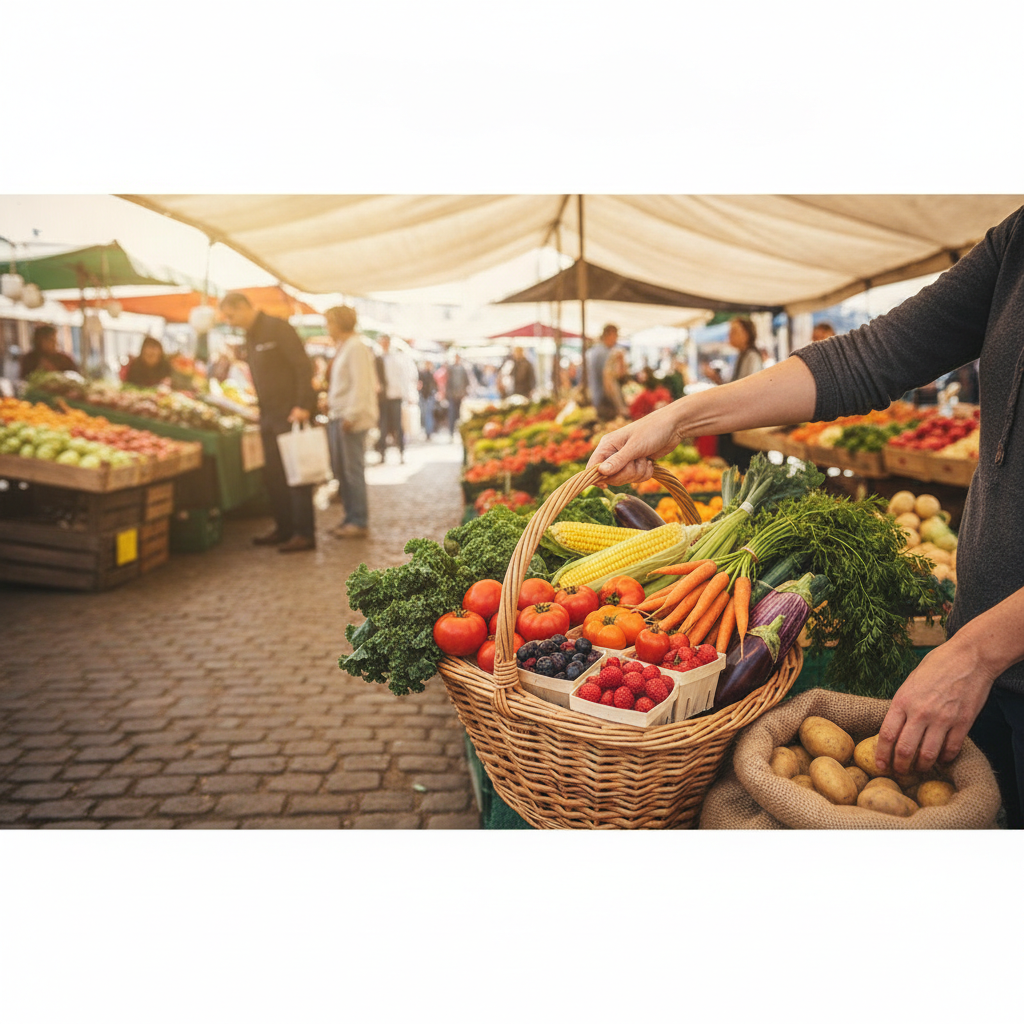
The financial logic behind a weekly ambitious meal is more nuanced than it first appears. When a cook commits to one substantial, ingredient-rich dish per week — a slow-braised lamb shoulder, a proper French bouillabaisse (a Provençal fish stew), or a filled and folded dim sum spread — they tend to shop with far more focus. The grocery run shifts from a vague, habitual sweep through familiar aisles to a deliberate procurement mission. Whole Foods or a local Asian grocery like H Mart become destinations with purpose, not just backdrop. That focused shopping habit carries a hidden financial benefit: impulse purchases drop, ingredient overlap between meals increases, and food waste — one of the most consistently underestimated drains on a household grocery budget — tends to shrink noticeably. The ambitious meal becomes an anchor around which the rest of the week's eating orbits, more efficiently than most people expect.
How Skill Compounds Over Time
Professional kitchens use a French term, mise en place — meaning "everything in its place" — to describe the discipline of organizing and preparing ingredients before cooking begins. Home cooks who adopt this practice, even informally, find that the ambitious weekly meal teaches it naturally. The first time someone makes a proper Moroccan chermoula (an herb-based marinade common in North African cooking) or attempts a proper reduction sauce, the process feels laborious and slightly chaotic. The second time, it feels familiar. By the fifth or sixth attempt at that level of complexity, the cook has internalized a set of techniques — building flavor in layers, reading heat, trusting timing — that quietly transfer to every other meal they make. Tuesday's simple roast chicken becomes easier not because the recipe changed, but because the cook changed.
Weeknight Meals Become Less Daunting
One of the more counterintuitive outcomes of the ambitious weekly meal is how much it reduces the psychological friction around ordinary cooking. When a person has spent a Saturday afternoon managing a multi-component dish — balancing a risotto while simultaneously reducing a separate stock, for instance — a Wednesday night pasta with pantry ingredients stops feeling like a chore. The baseline has shifted. What once felt like a reasonable challenge now registers as light work, and that recalibration has a measurable effect on how often people actually cook at home rather than ordering delivery. Apps like DoorDash and Uber Eats are genuinely convenient, but the households that use them least tend to be those where cooking has been reframed as a source of capability rather than a burden.
The Ritual Dimension of a Weekly Cooking Practice
Beyond skill and savings, there is something anthropologically important about the practice of preparing one meaningful meal with real effort each week. Most food cultures around the world have historically organized significant social and familial life around the preparation of complex dishes — the Sunday ragù simmering for hours in an Italian household, the elaborate Friday night meal in Jewish tradition, the weekend pho broth that begins on Saturday morning in Vietnamese homes. These weren't simply feeding rituals; they were the mechanisms through which technique transferred across generations and through which people practiced patience, craft, and care simultaneously. Reclaiming even a modest version of that practice — in a modern kitchen, for one person or a household of several — reconnects cooking to something larger than convenience.
Starting Well Without Overreaching
For those beginning this practice, the choice of that first ambitious meal matters more than it might seem. The goal isn't to recreate a restaurant tasting menu on the first attempt; it's to choose something that requires genuine attention but remains achievable. A well-sourced recipe from a trusted source — Samin Nosrat's Salt, Fat, Acid, Heat methodology is a reliable framework, as is anything from the America's Test Kitchen catalog — provides structure without rigidity. The ideal starting dish involves at least one technique the cook hasn't fully mastered: a proper sear, a slow braise, a delicate emulsification. That small stretch is exactly where the learning happens, and where the confidence begins to accumulate.
Building the Habit That Builds Everything Else
You don't need a professional kitchen, expensive equipment, or hours of free time to make this practice work. What it requires is a weekly commitment — perhaps Saturday afternoon, perhaps Sunday morning — to treat one meal as worthy of real attention. Over time, that commitment reshapes how you think about grocery shopping, how much food you waste, how confident you feel on a busy weeknight when dinner needs to come together quickly, and even how you relate to eating as an experience rather than a transaction. The financial returns are real and steady. The personal returns are harder to quantify but consistently reported by people who stick with the practice long enough to feel them.
The satisfaction that arrives when something genuinely difficult goes right in the kitchen — that feeling described at the start — isn't reserved for trained chefs or culinary enthusiasts. It belongs to anyone willing to show up once a week with a slightly harder recipe and the patience to see it through. That's where the real value lives, and it compounds quietly, week after week.