How Buying Seasonal Produce at Farmers Markets Can Cut Your Grocery Bill Without Changing What You Eat
Robert Kim
07/25/2026
5 min read
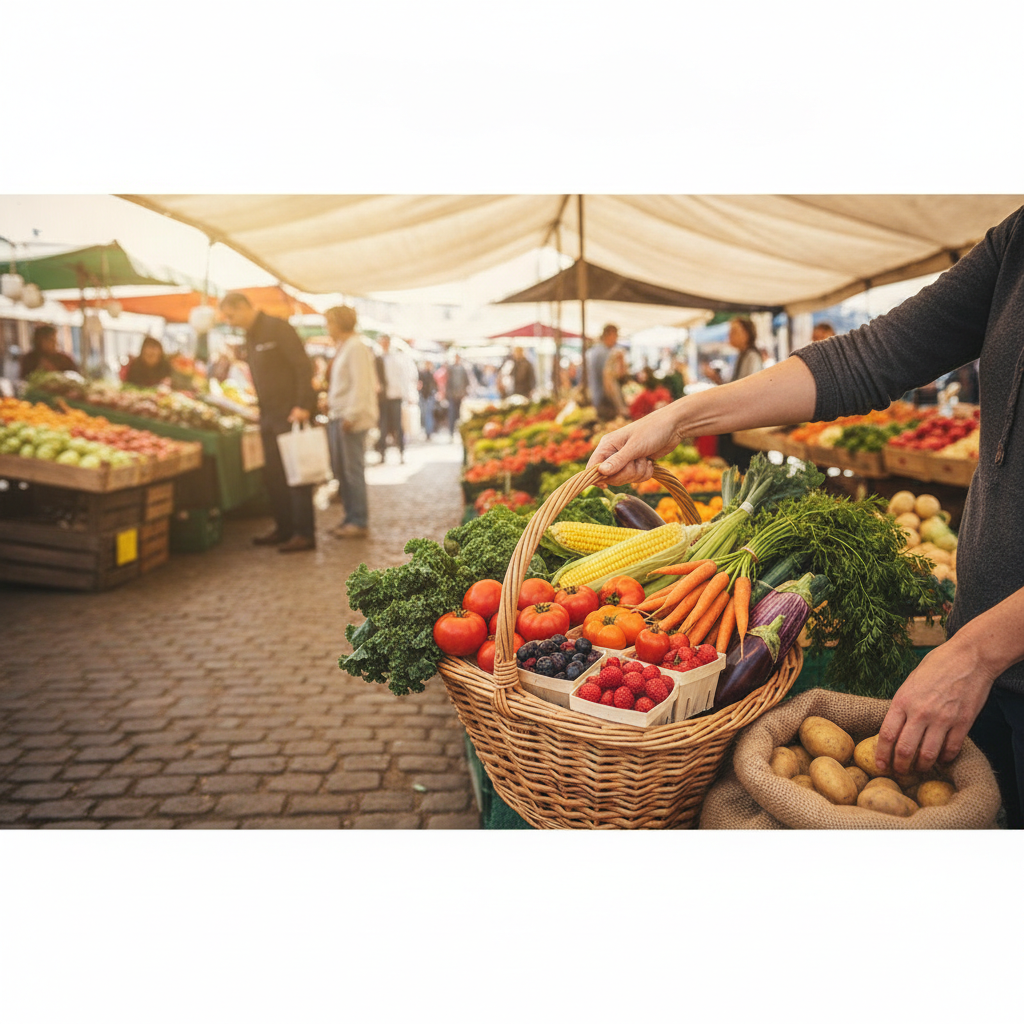
Farmers markets hold a quiet pricing advantage that most shoppers walk right past. When produce is in season and local growers have an abundance of it, prices drop — sometimes dramatically — compared to what the same item costs at a grocery chain that sources it from across the country. The strategy isn't about eating differently or following some strict seasonal diet. It's about shifting when you buy the things you already eat, and learning which windows offer the best value.
Why Does Seasonal Abundance Lower Prices at the Market?
When a crop hits its peak, farmers often have more supply than they can easily move. They'd rather sell at a lower price than haul unsold inventory back home. This dynamic creates a reliable pattern: the most abundant produce at any given market visit is usually the most affordable. A bundle of kale in the middle of winter at a specialty grocer might cost two or three times more than the same bundle bought in late spring from a farmer who's staring at a truck full of it. You're not hunting for deals — you're simply showing up at the right time.
How Can You Track What's in Season Without Memorizing Anything?
You don't need to study agricultural calendars or follow a strict harvest guide. Apps like Seasonal Food Guide and Farmstand make it genuinely easy to see what's peaking in your region right now. Seasonal Food Guide lets you browse by month and location, so you can walk into any market already knowing what to expect. Farmstand goes further by connecting you with nearby farms and listing what's currently available for pickup or delivery. Spending five minutes with either app before your Saturday market trip changes the entire experience — you arrive with purpose instead of wandering.
LFM (Local Food Marketplace) is another platform worth knowing, especially if you participate in a CSA or want to pre-order from specific vendors. It's used by hundreds of farmers markets across the country and often gives you a preview of what growers are bringing that week. Having that kind of advance information means you can plan meals before you even leave the house.
What's the Best Way to Buy More Without Wasting More?
One of the most effective moves at a farmers market is buying in bulk when something is at peak season and then preserving it for later. Tomatoes in late summer, berries in early summer, and winter squash in fall can all be frozen, roasted and stored, or turned into sauces that stretch across weeks of cooking. This isn't a dramatic lifestyle change — it's a modest habit of buying a little extra when the price is right and putting it away before the season ends.
The key is keeping it manageable. You don't need a chest freezer or a canning setup. A few gallon-sized freezer bags and twenty extra minutes on a Sunday afternoon can lock in the value you found at the market that morning. Over the course of a season, this kind of quiet stacking adds up without asking anything dramatic of your schedule.
How Do Farmers Market Prices Actually Compare to Supermarket Chains?
The comparison depends heavily on timing, but the pattern is consistent: in-season, locally grown produce bought directly from a farmer is routinely priced lower than the same item at a national chain, particularly for organic or pesticide-free options. A grocery store like Whole Foods or Trader Joe's prices organic strawberries year-round, absorbing shipping, refrigeration, and shelf-life costs that get passed along to you. A local grower selling at a Saturday market in June doesn't carry those same overhead costs, and the price reflects that.
Off-season, the equation flips. Buying tomatoes at a winter farmers market is often more expensive than buying hothouse tomatoes at a supermarket, simply because local supply is limited. This is where the strategy earns its value — you follow the market's rhythm rather than fighting against it.
When Should You Show Up for the Best Selection and Deals?
Timing within the market day matters more than most shoppers realize. Arriving in the first hour of a market gives you the widest selection, but the last thirty to forty-five minutes often brings the best spontaneous deals. Farmers who want to pack light sometimes mark down quantities they'd rather sell than load back into their vehicles. If you're flexible about exactly which vegetable you're taking home, late arrivals can yield real savings.
Midseason visits — not the first week a crop appears, and not the final stragglers — tend to offer the deepest value. Asparagus in the third or fourth week of its local season, for example, is typically priced lower than the first tender bundles that excited shoppers buy at a premium. Patience within the season pays off just as much as patience about which season you're shopping in.
How Does This Fit Into a Regular Grocery Routine?
The approach works best when you treat the farmers market as a complement to your regular grocery shopping rather than a replacement. Plan your weekly meals loosely around what the market tends to offer in a given month, then fill in gaps — pantry staples, proteins, dairy — at the supermarket. This hybrid routine keeps your grocery bill balanced without requiring you to redesign how you cook or what you eat.
Using a simple list-building app like AnyList before your market trip helps you stay focused and avoid the impulse buys that inflate the final total. Going in with a loose plan and a rough budget keeps the experience enjoyable and the spending intentional.
Seasonal buying at farmers markets isn't a diet philosophy or a commitment to a particular lifestyle. It's a straightforward pricing strategy — one that works because it aligns with the natural economics of local food. When you buy what's abundant, you buy what's cheap, and when you preserve a little of that abundance, you carry the savings forward long after the season ends. The grocery bill shrinks gradually and steadily, without asking you to change what ends up on your plate.