How Anchoring Each Season Around One Intentional Outdoor Experience Resets Your Relationship With Leisure Without Spending Much
Robert Kim
09/24/2026
5 min read
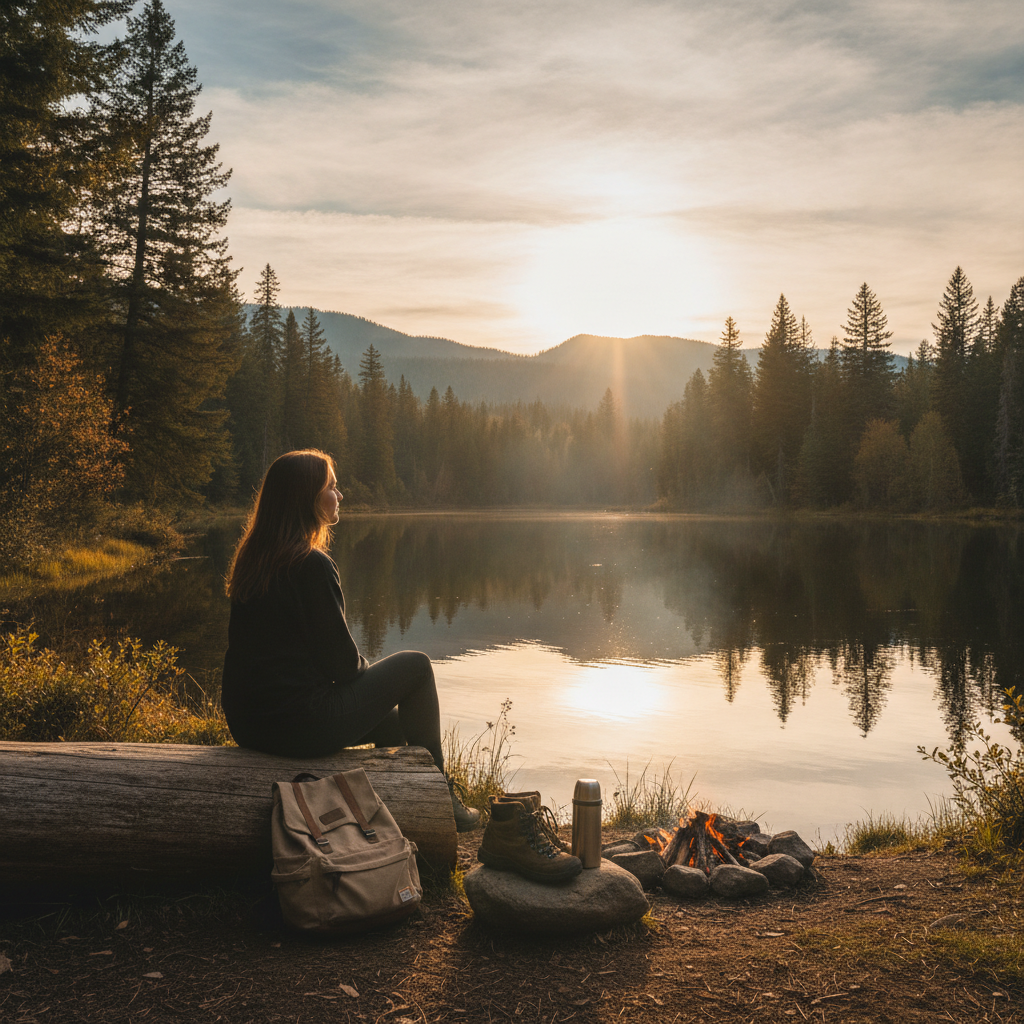
Leisure has a tendency to slip through your fingers when it's scattered across too many commitments, too many screens, and too many plans that never quite deliver what you were hoping for. Most people don't lack access to free time — they lack a framework for making that time feel meaningful. The result is a restless kind of busyness that leaves you more drained than rested, and quietly more willing to spend money trying to fill the gap.
One surprisingly effective shift is deceptively simple: anchor each season to a single intentional outdoor experience. Not a packed itinerary or an expensive getaway — just one deliberate, nature-centered moment per quarter that you actually show up for. Over time, this practice quietly rewires how you relate to downtime, to nature, and to the idea that leisure needs to cost something to count.
Why Does One Experience Per Season Work So Well?
The psychology behind this approach is grounded in contrast. When leisure is constant and undifferentiated, it loses its texture. But when you carve out one distinct outdoor experience per season — a winter snowshoe trek, a spring wildflower walk, a summer lake morning, a fall harvest hike — each one carries weight. You remember it. You look forward to it. It becomes a personal rhythm rather than a random weekend decision.
This rhythm also creates a low-pressure structure for the rest of your time. Rather than feeling like every weekend needs to be optimized, you're freed up to let ordinary days be ordinary. The one anchoring experience holds the season together without demanding anything else from you.
How Do You Choose the Right Seasonal Anchor?
Start With What's Already Around You
The most effective anchor experiences are rarely far from home. State and national parks, regional trails, local nature preserves, and coastal access points are often overlooked precisely because they're familiar. Apps like AllTrails make it easy to discover rated hikes within a short drive, filter by difficulty and season, and read firsthand accounts from people who've done the exact route you're considering. You don't need to plan months ahead — a single afternoon of browsing can surface options you genuinely didn't know existed nearby.
Match the Experience to the Season's Character
Each season has a natural energy, and your chosen experience should reflect it rather than fight it. Winter invites slower, more contemplative outings — a quiet morning snowshoe, a bare-tree forest walk, a coastal path that feels entirely different when the summer crowds are gone. Spring rewards early risers willing to catch wildflower blooms before they peak. Summer is made for water: lakes, rivers, early-morning paddling before the heat sets in. Fall, arguably the most generous season for outdoor experiences, offers color, cooler temperatures, and a sense of satisfying closure.
Platforms like Hipcamp are worth exploring for this reason — they surface unique outdoor stays and access points, including private land campgrounds and glamping spots, that give a familiar season an entirely different feel without requiring significant expense.
What Makes This Different From a Regular Outdoor Outing?
Intention is the distinguishing factor. A regular outing is something you do when nothing else is scheduled. An intentional anchor experience is something you plan for, protect on your calendar, and treat as the season's centerpiece. You might pack a simple meal, leave your phone in the car for the first hour, or invite one or two people who actually want to be present. The experience doesn't need to be elaborate — it needs to be chosen.
This distinction matters because it changes how you carry the memory afterward. Research consistently shows that anticipation and reflection are major contributors to how satisfying an experience feels. When you mark something as meaningful before and after it happens, the experience itself expands in value well beyond its actual duration. You get more from it, and it cost you very little to have it.
How Do You Build the Habit Without It Feeling Like Another Task?
Use a Simple Planning Tool
Keep the logistics light. The Komoot app is particularly useful for outdoor planning because it maps routes, suggests alternatives based on your fitness level, and lets you download maps for offline use. Spending twenty minutes in early December planning your winter anchor, then doing the same at the start of March, June, and September, is enough. You're not building a complex system — you're just making a decision in advance so it actually happens.
Protect the Date Like a Commitment
The most common reason these experiences don't happen is that something else fills the slot. Treat your seasonal anchor the way you'd treat a flight you've already booked — as a fixed point in the calendar, not a negotiable suggestion. You don't need to explain it to anyone. It's yours.
Why Does This Approach Change Your Spending Habits Too?
A quieter shift happens alongside the outdoor rhythm: you start spending less on leisure without trying to. When you have one genuinely satisfying experience to look forward to each season, the impulse to fill every weekend with paid entertainment loses its pull. Restaurants, streaming upgrades, last-minute trips purchased out of vague restlessness — these become less appealing when you already feel like your leisure life is full.
This is the deeper value of the one-experience-per-season framework. It replaces a reactive approach to leisure with a proactive one, which happens to be far cheaper. You're not denying yourself anything. You're simply getting more intentional about what actually satisfies you.
What Should You Plan for the Season Ahead?
The most rewarding place to start is wherever you are right now. Look at the season you're currently in and ask what outdoor experience would make it feel complete. Don't aim for the most impressive option — aim for the one that feels most genuinely right for you at this moment. Check AllTrails for a nearby trail you haven't tried. Browse Hipcamp for a one-night stay you could pull off in a single weekend. Spend a few minutes on Komoot mapping a route that's been sitting in the back of your mind.
This kind of leisure doesn't require a large budget or a complicated plan. It requires only that you treat your relationship with the natural world — and with your own sense of rest — as something worth protecting one season at a time.