How AI-Powered Home Energy Monitors Translate Real-Time Usage Data Into Actionable Monthly Savings for Average Households
Robert Kim
10/10/2026
4 min read
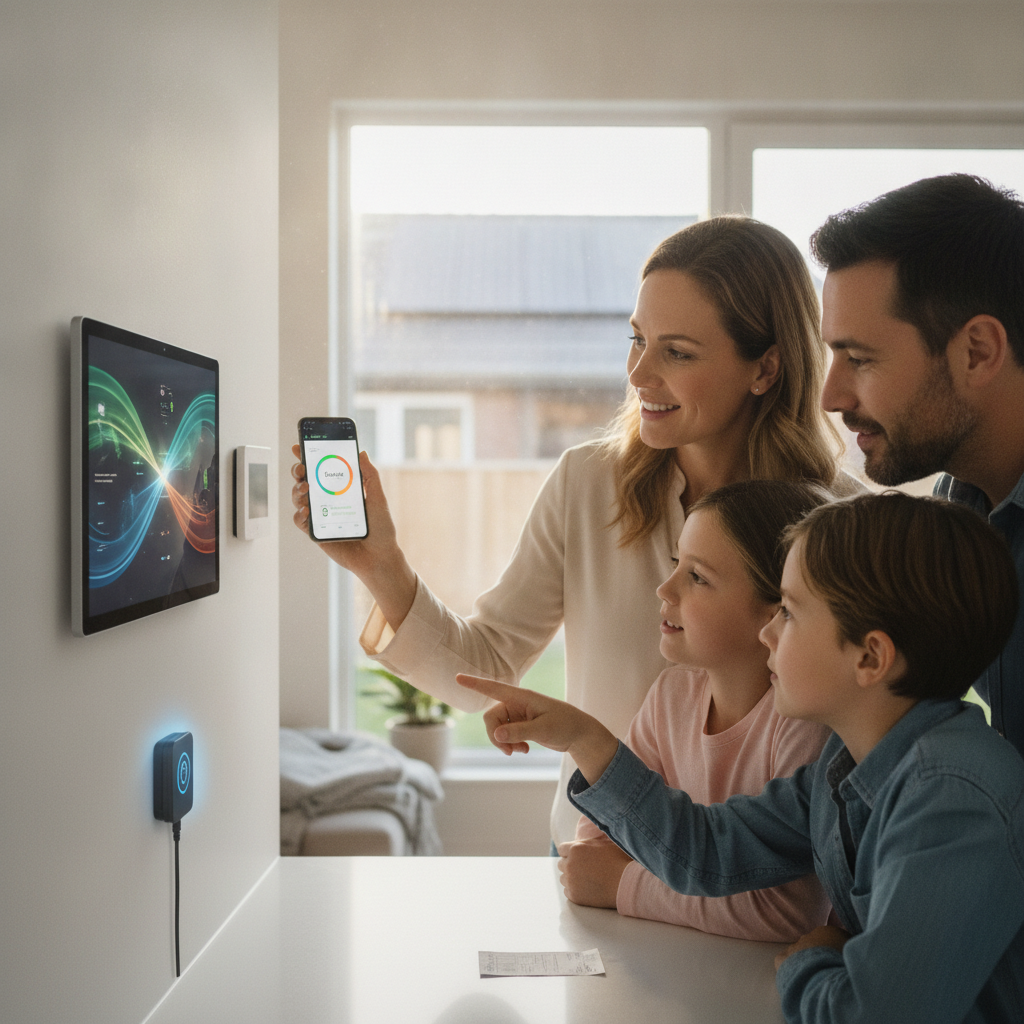
Electricity bills have a way of arriving as a surprise every month, even for households that believe they're being careful. AI-powered home energy monitors are changing that dynamic by turning abstract consumption into something concrete, trackable, and genuinely useful. These devices don't just show what a home uses — they interpret it, contextualize it, and suggest specific actions that translate into lower costs over time.
What Home Energy Monitors Actually Do
At their core, home energy monitors are hardware devices that attach to a home's electrical panel and measure current flowing through circuits in real time. What separates the AI-driven versions from older models is the intelligence layer built on top of that raw data. Platforms like Sense and Emporia use machine learning to identify individual appliances by their electrical signatures — recognizing, for instance, that the refrigerator cycles differently than the dishwasher. This device-level visibility is what makes the data genuinely actionable rather than simply informative.
From Raw Data to Household Patterns
Once a monitor has been installed and has had time to learn a home's appliances — typically a few weeks — it begins surfacing patterns that most households have never seen before. A family might discover that their older chest freezer in the garage draws a disproportionate amount of power relative to its actual cooling workload. They might learn that their HVAC system spikes in consumption during shoulder hours when temperatures are already moderate. These aren't guesses — they're observations pulled from continuous measurement and compared against baseline efficiency benchmarks the AI builds over time.
How the Savings Recommendations Actually Work
The value of these platforms lies in how they translate observations into specific guidance. Apps like the one paired with the Sense monitor don't simply report usage — they flag anomalies, rank appliances by cost, and push alerts when something behaves unexpectedly. If a water heater starts consuming more energy than its established baseline, the app surfaces that change before it shows up as a billing shock. Users can also set goals within the app, and the system will recommend behavioral adjustments — shifting dishwasher use to off-peak hours, for example — based on real consumption history rather than generic advice.
The Role of Utility Integration and Time-of-Use Pricing
Many AI energy monitors now integrate directly with utility providers to incorporate time-of-use rate data. This is where the technology becomes especially practical for households on variable pricing plans. By knowing that electricity costs less between certain hours, the monitor can recommend — and in smart home setups, even automate — the timing of high-draw appliances. Emporia's platform, for instance, connects with select utilities to give users a real-time view of what each hour of consumption is actually costing them at the current rate. For households in regions with significant peak and off-peak pricing gaps, this alone can meaningfully reduce monthly totals.
What Average Households Can Realistically Expect
Expectations matter here. AI energy monitors are not magic cost eliminators — they're precision tools that reward attentive households. For a typical home that hasn't previously tracked usage in detail, the first month of data tends to surface a handful of genuine surprises: a device left on standby that costs more than expected, an appliance nearing the end of its efficient lifespan, or HVAC settings that no longer match the household's actual schedule. Acting on even two or three of these findings can produce consistent monthly reductions that compound over the course of a year, particularly when combined with smarter scheduling habits.
Setting Up for the Best Results
Getting meaningful value from a home energy monitor depends on a few practical factors. First, professional installation at the electrical panel is recommended for most models — this isn't a plug-in device, and accuracy depends on correct sensor placement. Second, the AI needs time to learn. The machine learning models improve as they accumulate more data, so the first few weeks of use are better treated as a calibration period than an immediate source of savings. Third, you'll get more out of the platform if you take the time to confirm appliance identifications as the system flags them. The more accurately the monitor understands your home, the more precise its guidance becomes. Brands like Leviton also offer smart circuit breakers that can work alongside these monitors to create a more detailed picture of usage by room or circuit, adding another layer of granularity without requiring a full home renovation.
AI-powered home energy monitors represent a meaningful shift in how households can relate to their utility consumption. By turning continuous electrical data into appliance-level insights and personalized recommendations, these devices give average homeowners a practical lever they've never had before. The technology isn't a shortcut — it rewards households that engage with the data — but for those willing to pay attention, the monthly payoff tends to be both measurable and sustainable.